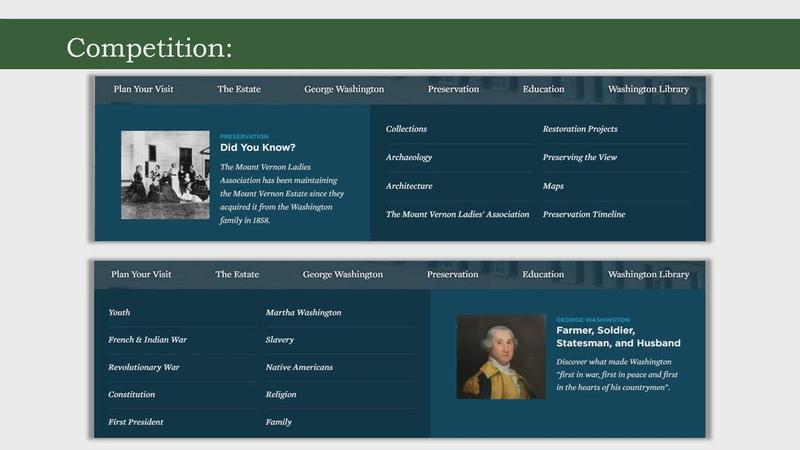
An ignite talk is a presentation of an idea, concept, or proposal limited to 20 slides and 5 minutes in total (15 seconds per slide). This fast-moving, high-energy format forces the speaker to be concise. This Ignite talk outlines my suggested improvements and new content strategy for the Textile Heritage Museum website.
This format forced me to edit my commentary to the most important core thoughts. It was an exercise in restraint, showing that five minutes could, with effort, be just as effective as 20 to 30 minutes. The slides represent six weeks' worth of website analysis, pared down to just 20 slides. This is a reality faced in the workplace: weeks or months of work reduced to a single presentation, often delivered to people who know little to nothing about the subject.
The analysis itself demonstrates my ability to identify inefficiencies and gaps in website design and content. I conducted an audience analysis, determined the site's primary purpose, and compared it to its competitors. This thorough analysis served as the basis for my proposal for site improvements through a new content strategy and navigational improvements for the site itself.

Traditionally, technical communication has mainly focused on the written word. However, the internet, particularly social media, has shifted to short-form video as a very popular alternative to written articles for presenting a wide variety of topics, from politics to science to medicine to history. Generating visuals and writing scripts is a new skill in the traditional field of technical communication.
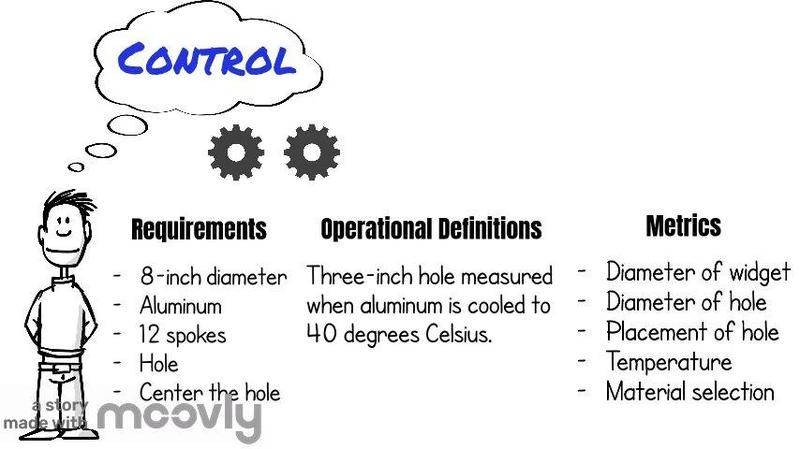
This short cartoon explains key quality control principles in project management, showcasing my ability to translate information into an audiovisual format. This skill has applications in marketing, online content creation, and journalism.
Additionally, this video was part of a group project covering multiple facets of quality control in project management. Group work is just as common in work settings as it is in academic settings. The collaborative nature of the larger project was as important as independent initiative, ensuring that each portion was complete and communicated the required information effectively.